How to Help Kindergartners With Anxiety
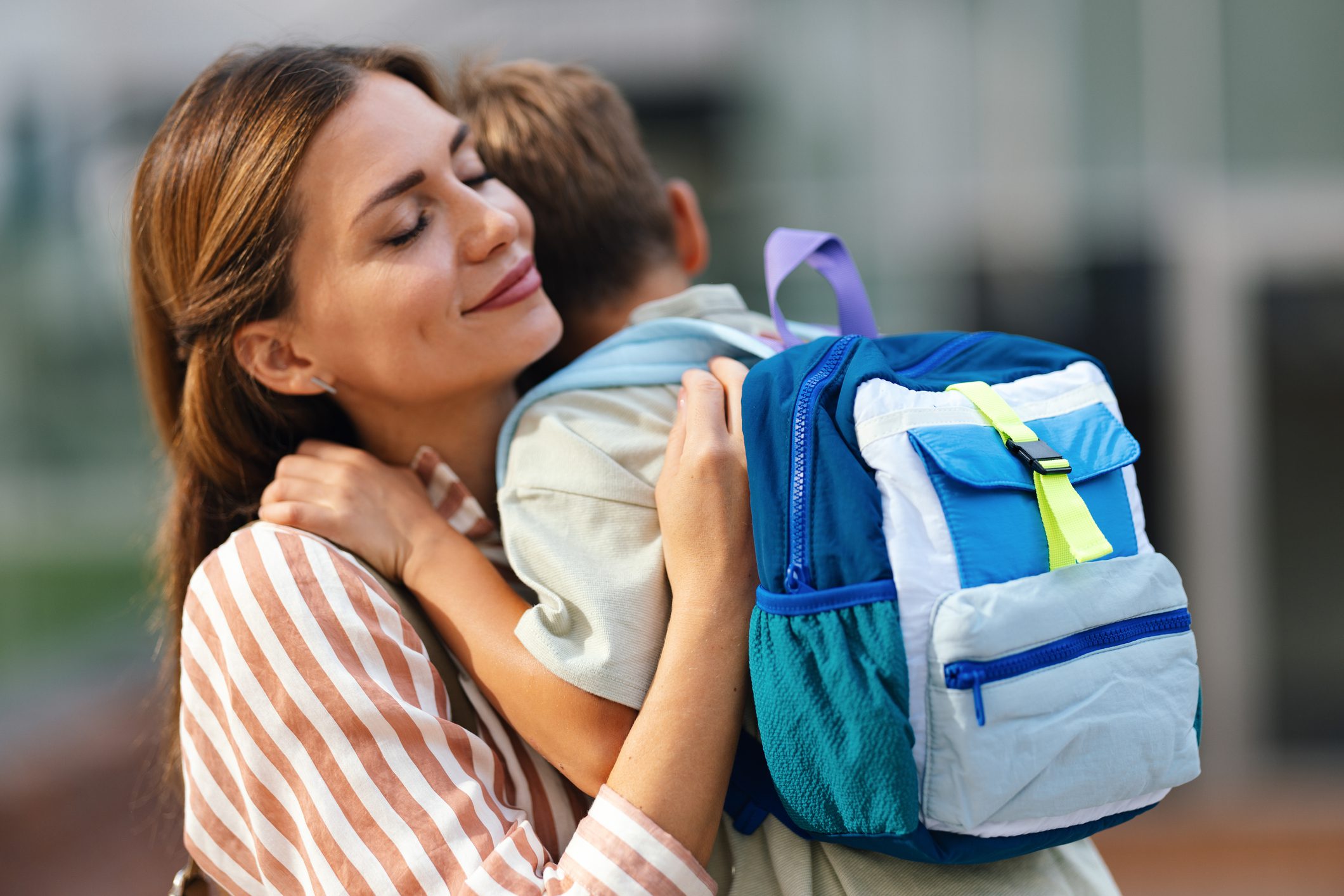
Understanding and managing anxiety in kindergartners can be a challenging task. This age group is at a crucial developmental stage where they are learning to navigate the world, form relationships and express their emotions. Anxiety in young children can manifest in various ways, and it’s important for caregivers and parents to recognize these signs and provide appropriate support.
Anxiety is a normal part of life, but when it becomes overwhelming, it can interfere with a child’s ability to function. Recognizing the signs of anxiety in kindergartners is the first step in providing the support they need. Here are some common signs of anxiety in young children:
Behavioral signs
- Avoidance: Children may avoid certain activities, places or people that trigger their anxiety.
- Clinginess: Kindergartners may become excessively clingy to parents or caregivers.
- Tantrums: Frequent meltdowns or tantrums, especially in new or challenging situations, can be a sign of anxiety.
Physical symptoms
- Stomachaches or Headaches: Anxiety can manifest as physical symptoms such as frequent stomachaches or headaches.
- Restlessness: A child may seem constantly restless or unable to sit still.
- Sleep Disturbances: Difficulty falling asleep or staying asleep is common in anxious children.
Emotional indicators
- Excessive Worry: Children may express constant worries about various aspects of their life, such as school, friends or family.
- Crying: Frequent or unexplained crying can indicate underlying anxiety.
- Irritability: Increased irritability or mood swings can be a sign of anxiety.
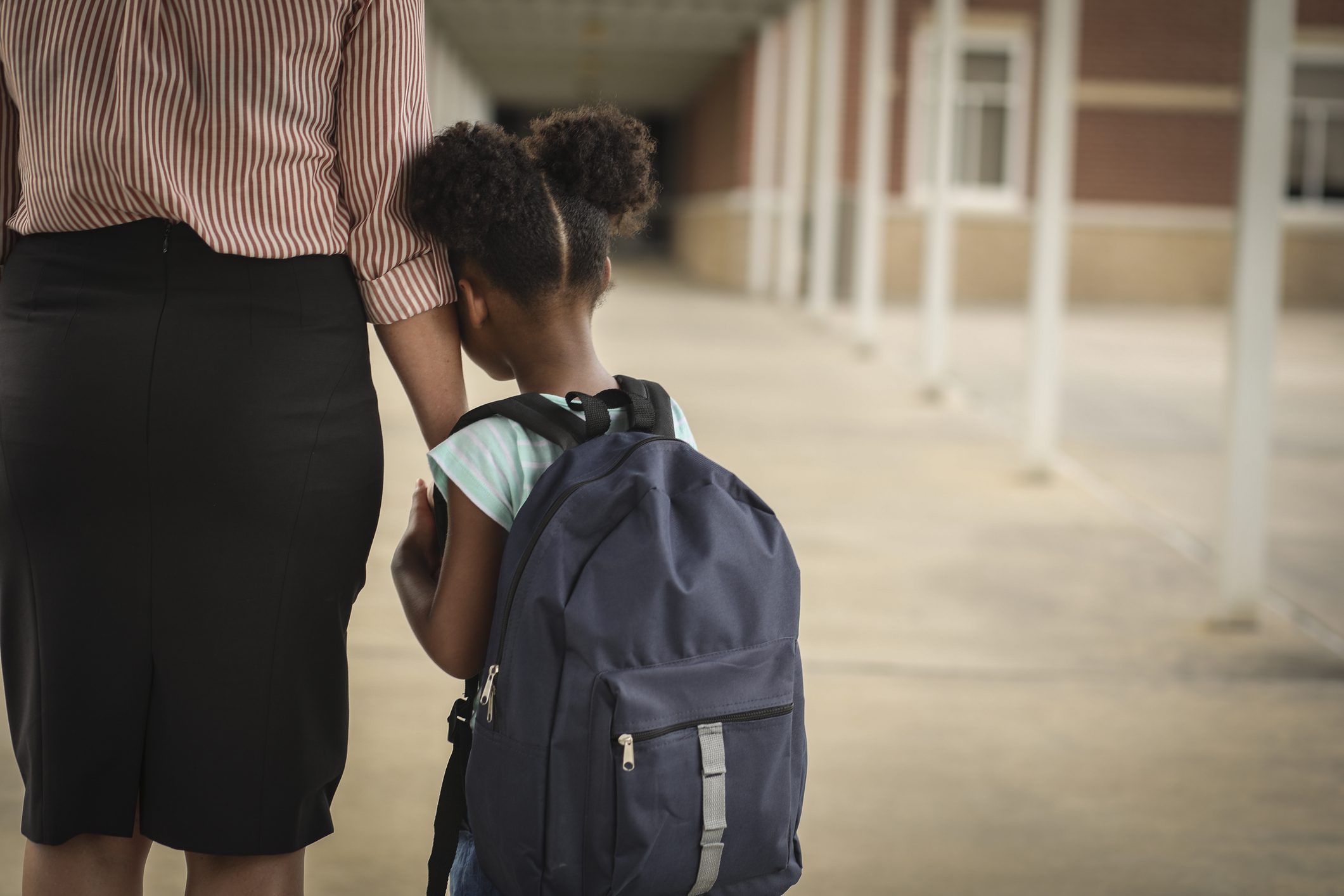
How to Help With Childhood Anxiety
Once you’ve identified the signs of anxiety, the next step is to help your kindergartner manage their emotions. Here are some practical strategies:
Create a predictable environment
Children thrive in environments where they feel secure. Establishing routines and setting clear expectations can help reduce anxiety by providing a sense of stability.
- Routine: Maintain a consistent daily routine to give your child a sense of control and predictability.
- Preparation: Prepare your child for new or challenging situations by discussing what to expect in advance.
- Comfort Items: Allow children to bring comfort items, such as a favorite toy or blanket, to help them feel secure in unfamiliar settings.
Encourage open communication
Open and honest communication is key to helping children feel understood and supported.
- Active Listening: Encourage your child to express their feelings and listen without judgment.
- Validation: Validate their emotions by acknowledging their feelings and reassuring them that it’s okay to feel anxious.
- Language: Use age-appropriate language to help children articulate their feelings.
Teach coping skills
Teaching children effective coping mechanisms can empower them to manage their anxiety.
- Breathing Exercises: Simple breathing exercises can help children calm down when they feel anxious.
- Visualization: Guide your child through visualization techniques, such as imagining a peaceful place.
- Positive Affirmations: Encourage the use of positive affirmations to build confidence and resilience.
Childhood Anxiety Treatment Options
If your child’s anxiety significantly impacts their daily life, professional treatment may be necessary. Here are some options:
Cognitive Behavioral Therapy (CBT)
CBT is a highly effective treatment for childhood anxiety. It helps children identify and change negative thought patterns and behaviors that contribute to anxiety.
- Focus: CBT focuses on teaching children skills to manage anxiety and reduce avoidance behaviors.
- Format: Therapy can be conducted individually or in group sessions, depending on the child’s needs.
Play therapy
Play therapy allows children to express their emotions through play, which can be especially beneficial for young children who may struggle to articulate their feelings verbally.
- Techniques: Therapists use various play techniques to help children process their emotions and develop coping skills.
- Benefits: Play therapy can improve emotional regulation and enhance social skills.
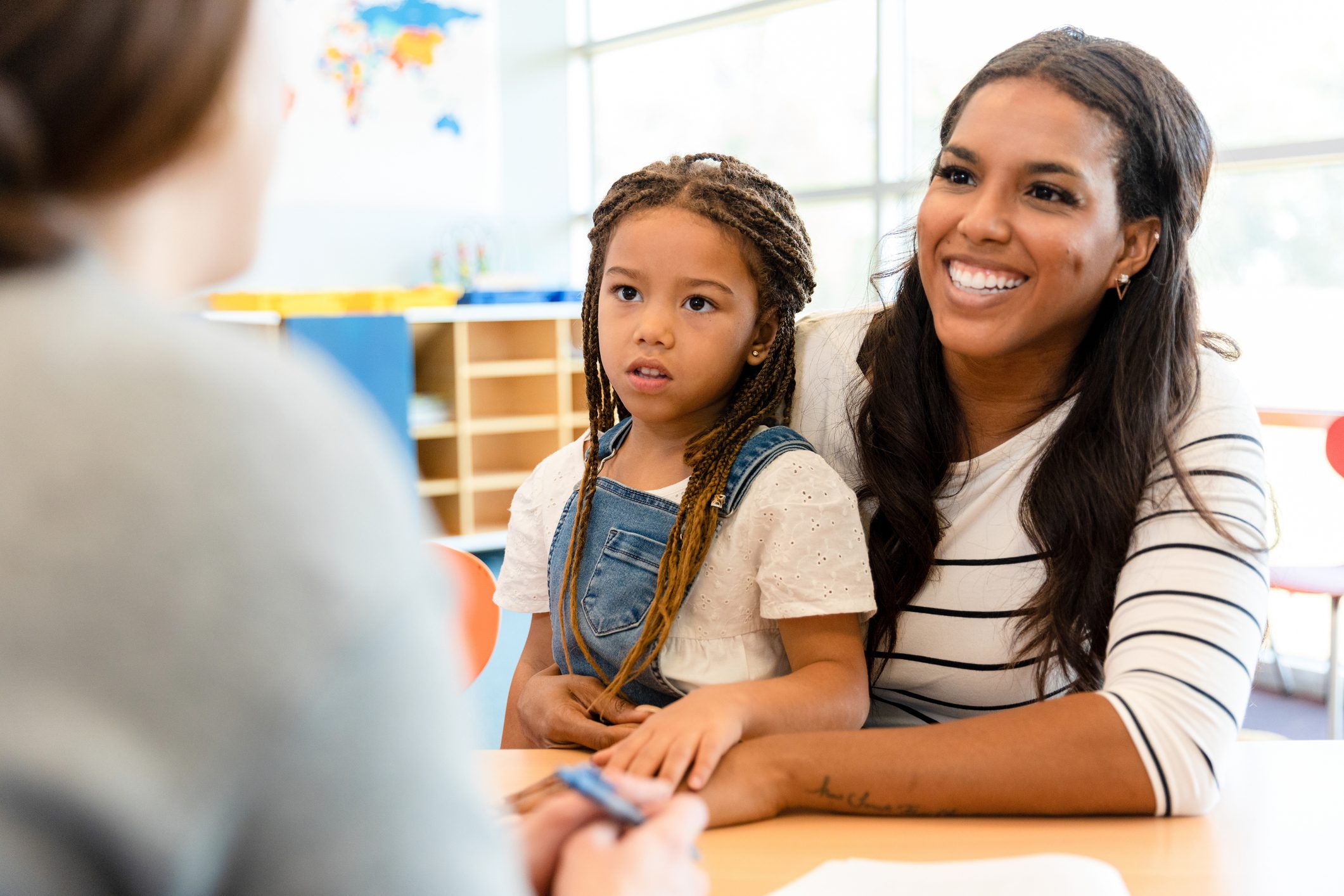
Outpatient Programs for Children
Outpatient programs offer structured support for children with anxiety while allowing them to remain in their home environment.
- Components: Programs may include individual therapy, group therapy and family counseling.
- Goal: The goal is to provide comprehensive support and equip children and families with tools to manage anxiety effectively.
Help Your Child With Anxiety
Anxiety in kindergartners can be challenging, but with the right strategies and support, children can learn to manage their emotions and thrive. By recognizing the signs of anxiety, creating a supportive environment and exploring treatment options, parents and caregivers can help young children navigate their feelings and build resilience.
Streamwood Behavioral Health, located in Streamwood, Illinois, is dedicated to helping you and your family with their mental health needs. If your loved one is in need of mental health services, contact us or call us today at 630-540-3924 to get started.