Impact of Cyberbullying on Mental Health

Cyberbullying involves using digital platforms like social media, text messages or emails to harass, threaten, or humiliate someone. Unlike traditional bullying, cyberbullying can happen 24/7, and the perpetrator can remain anonymous, making it even more insidious.
Forms of Cyberbullying
Cyberbullying can take several forms, including:
- Harassment: Repeatedly sending offensive, rude and insulting messages.
- Denigration: Spreading false information or rumors about someone to damage their reputation.
- Impersonation: Pretending to be someone else and posting damaging information about them.
- Outing: Sharing someone’s personal or embarrassing information online without their consent.
- Exclusion: Deliberately excluding someone from an online group as a form of emotional manipulation.
The Impact of Cyberbullying on Mental Health
The effects of cyberbullying can be devastating, particularly for teens who are still developing their sense of self and self-esteem. Here are some of the ways cyberbullying can impact mental health:
Anxiety and depression
Victims of cyberbullying often experience heightened levels of anxiety and depression. The constant threat of online attacks can create a pervasive sense of fear and helplessness, leading to feelings of isolation and despair.
Low self-esteem
Teens are particularly vulnerable to having their self-esteem impacted by cyberbullying. Negative comments or public humiliation can cause lasting damage to their self-image, leading to feelings of worthlessness.
Academic challenges
The stress of cyberbullying can also affect a teen’s academic performance. Affected students may find it difficult to concentrate, leading to a decline in grades and participation in school activities.
Social withdrawal
In an attempt to escape the bullying, teens may withdraw from social interactions, both online and offline. This can further exacerbate feelings of loneliness and isolation.
Suicidal thoughts
In severe cases, cyberbullying has been linked to suicidal thoughts and actions. The relentless nature of online harassment can push some teens to feel that ending their life is the only escape.
How to Prevent Cyberbullying
Preventing cyberbullying requires a concerted effort from individuals, parents, schools and communities. Here are some steps to take:
Educate and raise awareness
Education is a powerful tool in preventing cyberbullying. Schools and parents should educate teens about the effects of cyberbullying and the importance of empathy and kindness online.
Encourage open communication
Encouraging teens to talk about their online experiences can help identify cyberbullying early. Parents should foster an environment where their children feel comfortable sharing their concerns without fear of judgment or punishment.
Promote responsible online behavior
Teaching teens about responsible online behavior is crucial. This includes understanding the consequences of sharing personal information and recognizing the impact of their words on others.
Implement anti-bullying policies
Schools should have clear policies in place to address cyberbullying. These policies should outline procedures for reporting incidents and consequences for perpetrators.
Utilize technology
There are several tools and apps available that can help monitor and manage online interactions. These tools can alert parents and educators to potential cyberbullying incidents.
Social Media’s Role in Cyberbullying

Social media platforms play a significant role in the prevalence of cyberbullying. While they offer opportunities for connection and communication, they can also be breeding grounds for harmful behavior.
The influence of social media on teens
Social media can have both positive and negative impacts on teens. On the one hand, it provides a space for self-expression and community building. On the other hand, it can expose teens to unrealistic expectations and peer pressure.
Balancing social media use
To mitigate the negative effects of social media, it’s important to promote a balanced approach. Encouraging teens to engage in offline activities and setting boundaries around screen time can help maintain a healthy balance.
Reporting and blocking features
Most social media platforms have features that allow users to report and block abusive content and accounts. Teens should be encouraged to use these tools to protect themselves from cyberbullying.
Practical Advice for Coping With Cyberbullying
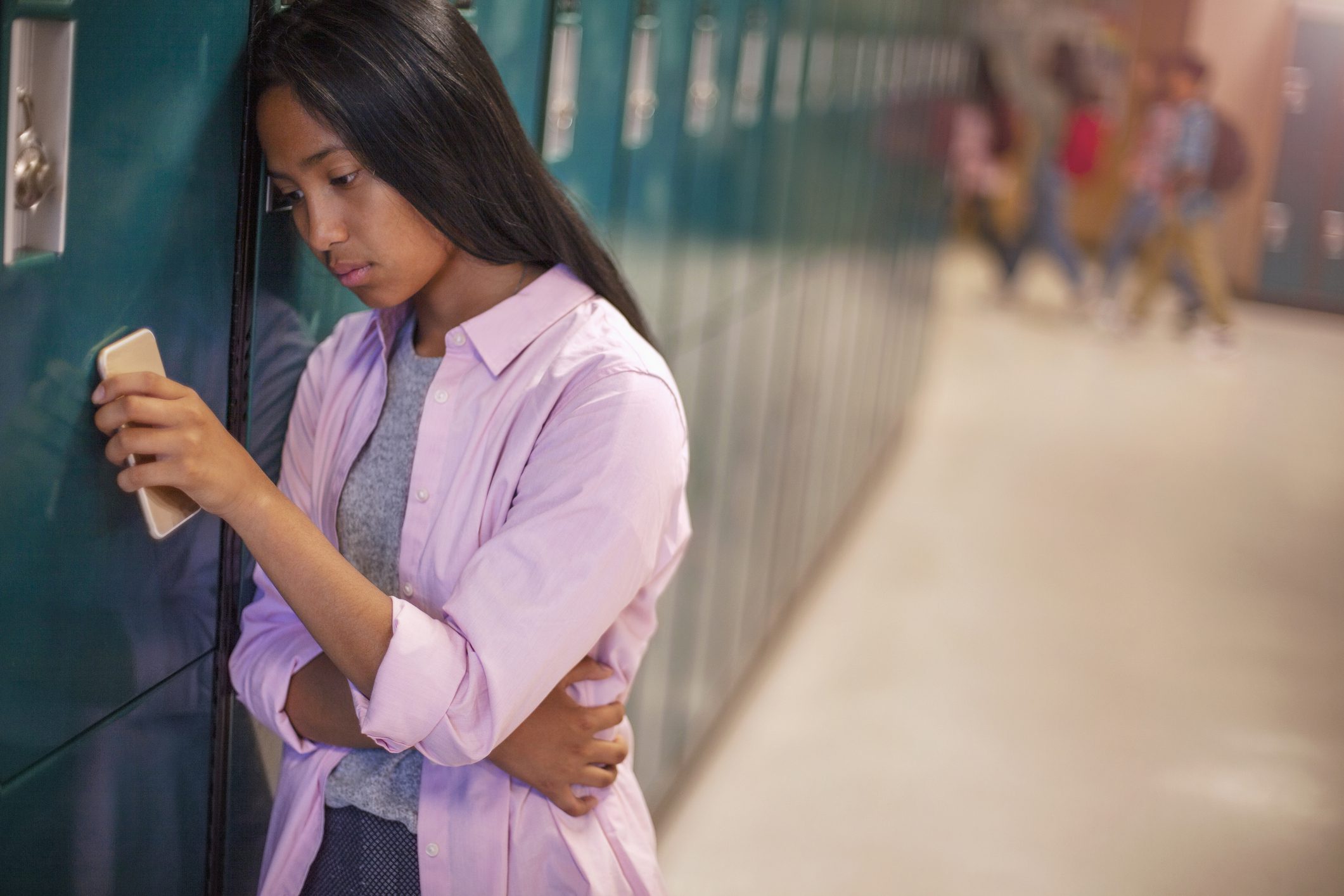
If you or someone you know is experiencing cyberbullying, here are some practical steps to take:
- Document the Abuse: Keep records of all communications related to the cyberbullying, including screenshots, emails and messages.
- Report the Bullying: Report the incident to the appropriate platform and, if necessary, to school officials or law enforcement.
- Seek Support: Talk to a trusted adult, counselor or therapist who can provide guidance and support.
Focus on Self-Care: Engage in activities that promote well-being and reduce stress, such as exercise, hobbies and spending time with supportive friends and family.
Mental Health Treatment for Teens in Illinois
Cyberbullying is a serious issue that can have a profound impact on mental health, particularly for teens. By understanding its effects and taking proactive steps to prevent and address cyberbullying, we can create a safer and more supportive online environment for everyone.
Streamwood Behavioral Health, located in Streamwood, Illinois, is dedicated to helping you and your family with their mental health needs. If your loved one is in need of mental health services, contact us or call us today at 630-540-3924 to get started.
If you believe your teen is experiencing mental health crisis, CALL 988 or seek the nearest emergency room.